Why Strong Architect and Contractor Relationships Matter
Commercial construction depends on people working together. Strong relationships between architects, designers, and contractors help projects move faster, stay more organized, and avoid costly field problems. A commercial general contractor Pennsylvania sees this on almost every commercial construction project.
These relationships are not just about being easy to work with. They affect cost, schedule, quality, and long-term performance. When the design team and the builder communicate well, better decisions get made earlier.
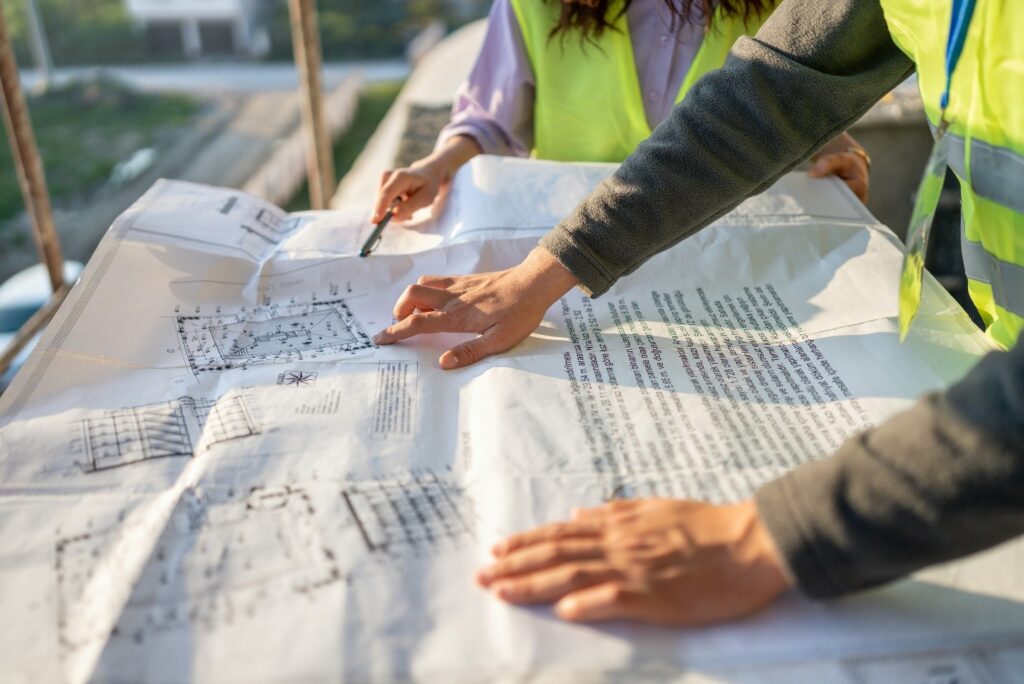
Alignment Starts Early
Strong working relationships usually begin before construction starts. During preconstruction services Pennsylvania, teams review project goals together. Design intent, scope, scheduling concerns, and commercial construction pricing all need to be discussed early.
That early alignment helps a commercial general contractor Pennsylvania provide practical feedback before documents are finalized. It also helps architects understand how their design will work in real field conditions. The National Institute of Building Sciences supports this kind of coordinated project planning through its work on building performance, collaboration, and best practices across the built environment, which is one reason it is a useful industry resource for teams trying to improve project delivery. You can see that broader focus on building collaboration and performance on the National Institute of Building Sciences website: National Institute of Building Sciences.
When teams align early, fewer late changes are needed.
Clear Roles Keep Work Moving
Each team has a defined role. Architects guide design intent. Designers shape layout, flow, and user experience. Contractors plan how the work actually gets built, phased, and coordinated in the field.
When those roles stay clear, decisions move faster from start to finish. A commercial construction company Pennsylvania depends on that clarity to keep work moving without confusion. It also helps reduce overlap, missed assumptions, and delays caused by uncertainty.
Clarity reduces confusion on site.
Communication Improves Daily Decisions
Construction requires constant decisions. Material questions come up. Site conditions shift. Details need clarification. Teams that work closely usually resolve those issues faster.
That matters during both design and construction. Fewer questions turn into formal RFIs. Fewer delays hit the field. Strong communication also supports safer, more organized projects. The Occupational Safety and Health Administration regularly emphasizes communication as part of strong safety and management practices in construction, and that same principle applies to project coordination overall. Their guidance on communication and safety management can be reviewed here: OSHA Safety Management Communication.
Clear communication saves time and cost.
Buildable Designs Reduce Rework
Designs have to work in real conditions, not just on paper. Contractor input improves constructability because builders can identify details that may be difficult to install, hard to sequence, or likely to create field conflicts.
A commercial construction company Pennsylvania relies on this coordination across a wide range of commercial builds. When contractors are involved early, details often become easier to install and better matched to field conditions. That matters on everything from shell spaces to occupied renovations.
Buildable designs reduce rework.
Fewer Issues Reach the Field
Late changes increase cost. When design conflicts are not resolved early, the field pays for it later through delays, extra labor, and schedule disruption.
Strong coordination helps teams resolve issues on paper instead of in the field. That protects construction scheduling and cost control. It also helps maintain momentum once trades are mobilized.
Early resolution saves money.
Interior Projects Depend on Coordination
Interior work often moves fast, which makes coordination even more important. A commercial renovation contractor Pennsylvania may be working inside an active office building. A tenant fit-out contractor Pennsylvania may need quick answers while work is happening inside occupied commercial space. A commercial build-out contractor Pennsylvania may need final decisions early when starting in shell conditions.
These projects leave little room for confusion. Quick answers matter. Early decisions matter. Strong architect and contractor relationships help interior projects stay organized and productive.
Speed requires coordination.
Value Engineering Works Better Together
Value engineering is a team effort. Value engineering construction Pennsylvania works best when designers and builders review options together instead of separately.
Teams can compare performance, install difficulty, long-term cost, and schedule effect all at the same time. The goal is to stay cost effective without lowering quality. Good collaboration makes that easier because the discussion becomes practical, not reactive.
Collaboration improves value.
Schedules Become More Reliable
Schedules depend on shared information. When architects, designers, and contractors communicate consistently, sequencing improves. Trades know what to expect. Questions are answered faster. Delays are easier to prevent.
Strong construction management Pennsylvania helps turn design coordination into predictable field execution. That leads to fewer interruptions and less downtime. It also helps subcontractors plan their work more effectively.
Reliable schedules reduce downtime.
Local Knowledge Supports Better Decisions
Local rules shape every project. A commercial general contractor Pennsylvania understands permitting, inspections, and practical field expectations in the region. Designers who coordinate early with the builder can adjust details before those issues become delays.
A commercial construction company Pennsylvania uses local knowledge to avoid avoidable problems. That may include code interpretation, sequencing around local requirements, or planning for jurisdictional reviews.
Local experience matters.
Documentation Improves With Trust
Clear documents usually come from clear communication. When teams trust each other and talk early, drawings improve, responses come faster, and expectations are easier to document.
Strong commercial project management Pennsylvania depends on accurate information flow between the design team and the field. Good documentation does not happen by accident. It grows out of better conversations, better coordination, and fewer assumptions.
Good documents support clean construction.
Long-Term Results Improve
Buildings last longer than the project schedule. Teams that work well together tend to make better long-term decisions about systems, access, coordination, and maintenance.
That reduces future headaches for owners and helps protect the long-term value of commercial property. Good collaboration during design and construction often leads to better building performance after turnover.
Performance matters after turnover.
Leadership Sets Expectations
Relationships do not form by accident. Leadership sets the tone. Strong general contracting services Pennsylvania teams establish expectations early, encourage respect, and push for practical communication from the beginning.
That kind of leadership supports better teamwork across the whole project. OSHA also reinforces the value of leadership and communication in effective construction management programs, especially where multiple parties must work together safely and efficiently. Their construction safety and health program guidance can be reviewed here: OSHA Construction Safety and Health Program.
Culture affects results.
Short FAQ
Why should a contractor be involved early?
Early involvement improves constructability, cost planning, and schedule alignment before major details are locked in.
Why do architect and contractor relationships matter so much?
Because strong communication reduces field issues, supports faster decisions, and improves quality.
Does this matter more on interior projects?
Yes. Renovations, fit-outs, and build-outs often move quickly and need immediate coordination to avoid delays.
Final Thoughts
Strong architect, designer, and contractor relationships create better projects. Early alignment helps planning. Clear communication improves daily decisions. Practical coordination reduces rework and supports better cost, schedule, and quality outcomes.
In commercial construction, relationships are not a soft skill. They are a real advantage.