Why GolfZon Feels Like Real Golf Indoors
Indoor golf has changed in a big way.
Players no longer accept a basic screen and flat mat. They expect realism. They want true ball flight. They want the stance to feel correct. They want the space to feel like a real course, not a video game.
That shift is driving growth across the region. More operators are starting an indoor golf business because demand is steady year-round.
Modern golf simulators for indoor use now deliver accuracy, movement, and immersive graphics that keep players engaged. When the experience feels real, customers return.
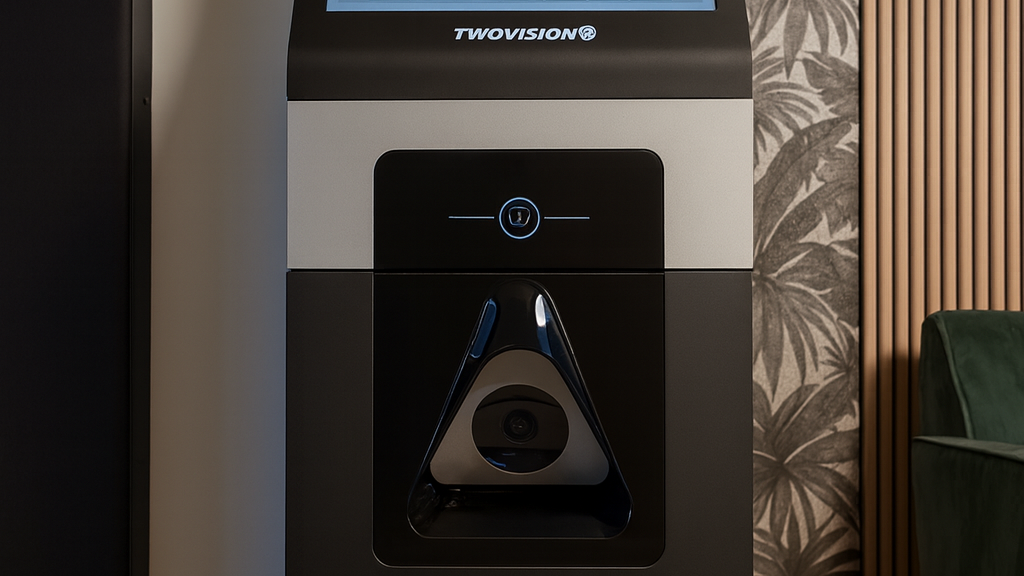
We recently completed the Golf Envy location in Doylestown, Pennsylvania.
The project reflects how advanced GolfZon technology and disciplined construction come together to create a premium environment built for long-term performance.
Real Ball Flight Builds Trust
Accuracy is the starting point.
GolfZon systems measure launch angle, spin rate, ball speed, club path, and direction.
If a player hits a draw, the screen shows a draw. If they miss-hit the shot, the result reflects it honestly. There is no artificial correction.
That truth builds confidence.
Many guests use these venues as a golf practice simulator. They are not just social players. They are serious golfers working on swing mechanics and distance control.
When feedback is reliable, improvement becomes measurable.
According to the National Golf Foundation, off-course golf participation continues to grow as players look for flexible ways to practice and play throughout the year (National Golf Foundation, https://www.ngf.org).
Indoor golf venues are now a meaningful part of that trend.
For an owner evaluating a golf simulator purchase, realism protects revenue.
If players trust the data, they come back.
Moving Platforms Change the Game
GolfZon stands out because of its moving swing platform.
When the virtual course shows an uneven lie, the platform adjusts.
If the ball sits above your feet, the surface tilts upward. If it is downhill, your stance shifts.
Players must change posture and club selection just like they would outdoors.
This is where advanced commercial golf simulator setups separate themselves from entry-level units.
The experience becomes physical, not just digital.
Operators often compare commercial indoor golf simulator prices before investing. Features like automated tee systems and moving platforms influence that decision.
While the commercial golf simulator price may be higher, the physical realism creates deeper engagement and longer session times.
Indoor golf machines that replicate real course conditions create a stronger connection between technology and player performance.
Immersive Graphics and Course Detail
Numbers alone do not create realism. Visual design also matters.
GolfZon recreates well-known courses with strong attention to terrain detail. Elevation changes, bunker depth, and green contours are built into the system.
Players must read slopes and manage risk.
Research from Golf Datatech shows strong interest in golf technology as players look for year-round solutions and more immersive play options (Golf Datatech, https://www.golfdatatech.com).
Indoor golf design is no longer secondary. It is central to the business model.
Modern golf simulator bays are carefully planned.
Screen placement matters. Lighting control matters. Acoustic treatment matters. Swing clearance matters.
A properly designed golf simulator bay supports both performance and comfort.
Spotlight: Golf Envy Doylestown
The Golf Envy project at 4949 Swamp Road in Doylestown required disciplined coordination from start to finish.
Permit documents referenced GolfZon specifications and required strict compliance with manufacturer standards.
Each golf simulator bay required exact platform placement and ceiling alignment.
Reflected ceiling plans defined equipment zones that had to match GolfZon tolerances precisely.
As a tenant fit-out contractor in Pennsylvania, we focused on clear scope alignment and thoughtful construction planning from the earliest phase.
Ceiling heights were verified. Swing clearance zones were protected. Electrical coordination supported projector placement and platform operation.
This was not a simple build-out.
It required tight project coordination and strong subcontractor prequalification.
Trade partner coordination ensured flooring transitions aligned with platform systems.
Construction logistics planning minimized disruption within the retail center.
The finished space reflects organized project execution and careful detail-oriented execution.
The technology performs because the structure supports it.
Construction Protects Performance
Technology cannot compensate for poor construction.
As a commercial construction company in Pennsylvania, our team approaches indoor golf projects with a quality-first mindset.
Construction safety compliance and OSHA-compliant practices are standard on every jobsite.
Clean, organized jobsites reduce risk and support schedule-focused execution.
A licensed and insured contractor protects the client’s investment.
A bonded commercial contractor adds financial stability.
Budget accountability and transparent reporting systems support predictable outcomes.
Through proactive communication and boots-on-the-ground supervision, we maintain clear expectations from day one.
Smart construction sequencing and careful permit planning reduce delays.
Change order management remains disciplined to protect on-time and on-budget delivery.
This same structured approach applies when serving as a commercial general contractor in Philadelphia or coordinating expansion with a commercial construction company in New Jersey.
Regional franchise growth demands consistent standards across state lines.
Indoor golf venues operate in occupied space conditions.
That requires thoughtful site management and organized project approaches that respect surrounding tenants.
Owner-focused construction keeps disruption low while maintaining schedule compression strategies when required.
Why Realism Supports Long-Term Value
Realism drives repeat business.
When players feel real ball response and adjust to true lies, the experience becomes credible.
A strong golf putting green indoor system improves short game practice.
Accurate golf putting indoor surface conditions increase confidence.
These details transform entertainment into performance training.
For owners building a golf simulator business plan, layout matters as much as equipment.
Indoor golf design must account for code-aware construction, mechanical coordination, and long-term maintenance access.
Risk mitigation planning protects timelines and budgets.
Relationship-driven construction supports expansion.
Repeat-client driven growth depends on no-surprise project delivery.
Straightforward project management and hands-on project leadership reduce uncertainty.
A well-planned indoor golf business built around predictable outcomes becomes a stable asset.
With careful site safety management and strong subcontractor relationships, the build process remains efficient and organized.
Regional Growth Continues
Indoor golf is expanding because it works.
It allows year-round play in Pennsylvania winters.
It provides competitive leagues in Philadelphia urban centers.
It supports mixed-use development in New Jersey retail corridors.
As a Pennsylvania commercial general contractor in Pennsylvania, we understand the value of planning discipline and regional authority.
Indoor golf projects require practical building expertise, code compliance awareness, and proactive issue resolution.
When advanced GolfZon systems combine with performance-driven builds, the result is a space that feels real.
The technology delivers accurate data.
The moving platform delivers physical response.
The construction delivers long-term reliability.
Realism is not an upgrade.
It is the expectation.
Indoor golf continues to grow because it blends immersive technology with disciplined construction.
When done correctly, the experience mirrors outdoor play and supports a sustainable business model across Pennsylvania, Philadelphia, and New Jersey.