Visiting a Commercial Construction Site: What Clients Should Know
Visiting a commercial construction site is an important part of many commercial construction projects. For owners, developers, and property managers, a site visit offers real insight into progress, quality, and coordination. It also comes with responsibility. Construction sites are active environments, and safety must always come first.
Whether the project involves office space, office buildings, or other commercial property, understanding site expectations helps protect people, budgets, and schedules.
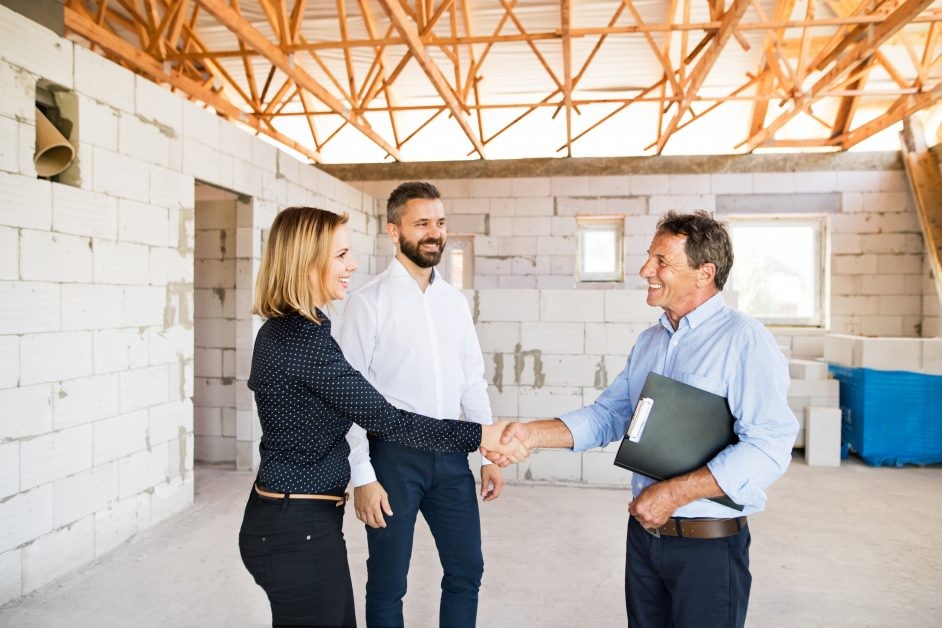
Why Site Visits Matter in Commercial Construction
Site visits allow clients to see how design and construction come together in real time. They support better decisions and reduce confusion later in the project. For construction companies, site visits also build trust and transparency.
On any commercial construction project, clear communication during site visits helps teams work closely and stay aligned from start to finish.
Personal Protective Equipment Requirements
Most commercial construction sites require visitors to wear basic personal protective equipment, or PPE. These rules apply to everyone, including owners and consultants.
Typical PPE includes:
- Hard hats
- High-visibility vests
- Safety glasses
- Closed-toe, sturdy footwear
These requirements protect against common jobsite risks such as overhead work, moving equipment, and uneven ground. PPE is standard across a wide range of commercial buildings, including office buildings and tenant improvements.
Awareness and Conduct on Active Job Sites
Commercial construction sites change daily. Materials arrive, equipment moves, and work zones shift. Visitors should stay alert and always avoid distractions.
Basic expectations include:
- Staying within designated walkways
- Watching for uneven surfaces or open areas
- Keeping distance from active equipment
- Following posted safety signage
Good conduct helps avoid delays and supports cost control. Even small interruptions can impact construction scheduling and cost control on larger projects.
Working with On-Site Leadership
Every site has a foreman or site supervisor responsible for safety and daily operations. Visitors should always check in before entering the site.
The site supervisor may:
- Review safety rules and PPE needs
- Escort visitors through the site
- Adjust walking routes based on active work
- Answering questions related to construction processes
This structure supports coordination between architects and engineers, field crews, and construction management teams.
Planning Considerations Before a Site Visit
Successful site visits start with planning. Preconstruction planning helps ensure visits are productive and safe.
Helpful planning steps include:
- Scheduling visits during lower-risk work periods
- Confirming PPE requirements in advance
- Sharing visit goals with the construction team
- Limiting group size when possible
These steps align with strong preconstruction services Pennsylvania contractors use to reduce risk and keep projects moving efficiently.
A Practical Example from a Commercial Project
Consider a client visiting an active office space renovation in Commercial Construction Philadelphia PA. Framing is complete, and mechanical work is underway. Without planning, the visit could disrupt multiple trades.
With proper coordination, the visit is smooth. The site supervisor escorts the client through completed areas first. Design and construction details are reviewed in context. Questions are answered on site. Work continues safely around the visit.
This approach reflects attention to detail and supports long-term performance.
What This Means for Owners and Property Managers
For owners and property managers, safe site visits protect people and project timelines. They also reflect professionalism and organization.
Well-managed visits help:
- Maintain cost effective operations
- Support accurate cost estimates
- Protect commercial property
- Improve communication across teams
Construction companies that follow consistent site protocols often deliver better outcomes across a wide range of commercial space projects.
Why Safety Supports Project Performance
Safety is directly tied to performance in the construction industry. Incidents can lead to delays, rework, and unexpected costs. Strong safety practices support smoother workflows and better results.
Projects that use design build services often benefit from early coordination between planning and field execution. Safe, organized site visits reinforce that coordination and support construction processes from start to finish.
Short FAQ: Visiting a Commercial Construction Site
Do all visitors need PPE?
Yes. PPE is required for all visitors on active commercial construction sites.
Can clients walk the site alone?
No. Visitors should always be escorted by on-site leadership.
How often should owners visit the site?
Visits vary by project. Many teams schedule visits at key milestones.
Strong Conclusion: Safe Visits Lead to Better Projects
Visiting a commercial construction site offers valuable visibility into project progress and overall workmanship. When site visits are well‑planned and conducted with proper safety protocols, they lead to better decision‑making and stronger project outcomes.
Whether the project involves office buildings or large‑scale commercial developments, safe and organized site visits demonstrate strong planning, experience, and professionalism. Clear communication, thorough preconstruction preparation, and consistent adherence to site rules ensure that every visit contributes positively to the project’s success from beginning to end.
For dependable, communication‑focused commercial construction services in Pennsylvania, visit www.jhgreene.com to partner with a team dedicated to delivering exceptional results.