Think You’re ADA Compliant? Read This First
Most business owners think ADA compliance is about wheelchairs and ramps.
It is not.
The Americans with Disabilities Act (ADA) reaches far beyond ramps and parking signs. It affects doors, counters, restrooms, signage, slopes, and even temporary construction routes. The detailed technical rules are outlined in the 2010 ADA Standards for Accessible Design published by the U.S. Department of Justice:
https://www.ada.gov/2010ADAstandards_index.htm
Many violations happen in buildings that look modern and well designed. A Commercial general contractor in Pennsylvania often uncovers compliance issues inside recently renovated spaces that passed internal review but failed final measurement.
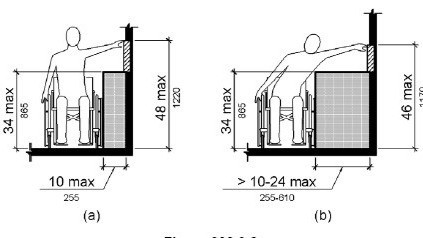
Small measurements create large legal problems.
Below are ten ADA requirements many owners do not realize exist, supported by federal guidance from ADA.gov and the U.S. Access Board.
1. Door Threshold Height
Door thresholds cannot exceed ½ inch in height under the 2010 ADA Standards.
If the rise is between ¼ inch and ½ inch, it must be beveled with a compliant slope. Anything higher can fail inspection and create a trip hazard.
This detail is easy to miss during flooring changes or tenant improvement work. A new tile build-up or transition strip can push the height beyond what is allowed.
Technical criteria for thresholds and floor surface changes are defined within the ADA standards maintained by the U.S. Access Board:
https://www.access-board.gov/ada/
Half an inch matters.
2. Counter Height Limits
Accessible service counters are typically limited to 36 inches in height.
Reception desks, hostess stands, and medical check-in counters often exceed that limit. Owners invest in custom millwork but forget to include a lowered accessible section.
An Interior commercial renovation in Pennsylvania frequently reveals counters that were installed too tall. Once millwork is set and finished, corrections can impact schedule and cost.
Accessible design requirements for sales and service counters are outlined in the ADA Standards:
https://www.ada.gov/2010ADAstandards_index.htm
Planning before fabrication prevents rework.
3. Restroom Turning Space
One larger stall does not automatically make a restroom compliant.
The entire restroom must provide proper turning space. Wheelchairs must be able to maneuver both inside and outside the stall. Door swings can reduce usable clearance. Fixture placement must meet strict spacing rules.
A Commercial renovation contractor in Philadelphia must verify layout dimensions before walls close. Inspectors measure clear floor space. Being close is not enough.
Title III regulations clarify that alterations must comply with ADA requirements:
https://www.ada.gov/law-and-regs/regulations/title-iii-regulations/
4. Grab Bar Placement
Grab bars must be mounted at specific heights and distances from walls and fixtures.
If they are even slightly off location, they can fail inspection. Mounting too high, too low, or too far from the toilet can trigger correction notices.
The technical mounting requirements are detailed within the ADA Accessibility Standards issued by the U.S. Access Board:
https://www.access-board.gov/ada/
Installers should confirm measurements before tile is complete.
5. Sink Knee Clearance
Accessible sinks require open space underneath for knee clearance.
Cabinet panels, decorative wraps, and exposed plumbing protection often interfere with required clear space. Even when the sink height appears correct, blocked clearance makes it non-compliant.
Clear floor space and knee clearance dimensions are defined in the ADA Standards:
https://www.ada.gov/2010ADAstandards_index.htm
Design coordination prevents this issue.
6. Mirror and Dispenser Height
Mirrors, paper towel dispensers, and hand dryers have maximum mounting heights.
These elements are often installed too high. They seem minor, but they carry compliance weight.
In Philadelphia, inspections are overseen by the Department of Licenses and Inspections, which enforces accessibility during permit review and closeout:
https://www.phila.gov/departments/department-of-licenses-and-inspections/
Small accessories still matter.
7. Parking Space Count
Accessible parking requires the correct number of spaces based on the total parking count.
Many owners miscalculate this number. The ADA includes a scoping table that determines how many accessible spaces are required. At least one space must typically be van-accessible.
The parking scoping requirements are included in the 2010 ADA Standards:
https://www.ada.gov/2010ADAstandards_index.htm
Parking compliance is mathematical. It is not optional.
8. Parking Slope Requirements
Accessible parking spaces and access aisles must meet strict slope limits.
Even small grading variations can cause inspection failure. A surface that looks flat may exceed the maximum allowable slope.
Technical slope limits are detailed by the U.S. Access Board within the ADA Accessibility Standards:
https://www.access-board.gov/ada/
Restriping alone does not fix slope issues.
9. Temporary Construction Access
Accessibility does not pause during construction.
If sidewalks, entrances, or parking areas are blocked, temporary accessible routes must be provided. These routes must include proper slope, surface stability, and signage.
A Commercial construction company in Philadelphia often sees this missed during phased renovation projects in occupied buildings.
Title III regulations confirm that accessibility obligations continue during alterations and facility modifications:
https://www.ada.gov/law-and-regs/regulations/title-iii-regulations/
Temporary conditions still require compliance.
10.“Readily Achievable” Still Applies
Older buildings are not automatically exempt.
Under Title III of the ADA, barrier removal must occur when it is “readily achievable,” meaning easily accomplishable without significant difficulty or expense.
That could include adjusting hardware, lowering accessories, or modifying small barriers.
The legal definition and obligations are outlined by the Department of Justice here:
https://www.ada.gov/law-and-regs/regulations/title-iii-regulations/
A Commercial general contractor in Pennsylvania should evaluate entrances, counters, and restrooms during renovation planning to reduce long-term liability.
Age does not remove responsibility.
Why These Details Matter
Most ADA lawsuits begin with small technical issues.
A raised threshold. A tall counter. Improper signage height.
These details are easy to ignore but easy to measure.
Owners often discover compliance problems after a complaint or demand letter arrives. By then, legal fees and rework costs exceed the price of early correction.
Clear scope coordination, field verification, and schedule-driven planning reduce that risk.
Accessibility is not only about compliance. It improves usability for every visitor. It strengthens brand reputation. It reduces long-term exposure.
Final Thoughts
ADA compliance is broader than many realize.
It affects commercial property at the smallest measurement level. It requires coordination from design through final inspection.
Federal guidance from ADA.gov and the U.S. Access Board provides detailed technical standards that contractors and inspectors follow. Local agencies, including Philadelphia’s Department of Licenses and Inspections, enforce those requirements during permit review and closeout.
Small details carry legal weight.
Early planning protects your business, your schedule, and your long-term investment.
#ADACompliance #CommercialConstruction #PennsylvaniaConstruction #PhiladelphiaConstruction #Accessibility #InteriorCommercialRenovation