2026 Code Changes What GCs Should Know
Pennsylvania updated its building codes on January 1, 2026.
The state adopted the 2021 International Code Council (ICC) codes. These rules now apply to most commercial projects.
This change affects how buildings are designed, permitted, and built across the Commonwealth.
For a Commercial general contractor in Pennsylvania, the impact starts early. It begins in planning. It continues through construction and inspection.
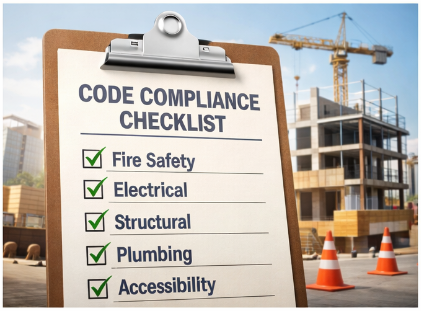
What Changed in 2026
The 2021 ICC codes replaced the 2018 version in Pennsylvania’s Uniform Construction Code.
If a permit was submitted on or after January 1, 2026, the new rules apply.
There is one exception.
If a contract was signed before January 1, 2026, and a permit was filed within six months, the 2018 code may still apply.
This matters for pricing and scheduling. Contractors must confirm which code applies before work begins.
Energy Rules Are Stricter
One of the biggest changes involves energy efficiency.
The updated energy code increases requirements for:
- Insulation
• HVAC system efficiency
• Lighting performance
• Energy documentation
This means thicker insulation, higher-performing equipment, and more paperwork at permit submission.
During Preconstruction services in Pennsylvania, teams must review energy specs early. Waiting too long can cause redesign and delay.
Better planning avoids change orders.
Structural and Fire Safety Updates
The 2021 code cycle also updates:
- Structural loads
• Roofing systems
• Fire resistance ratings
• Exit paths and egress widths
For example, changes to fire-rated walls or exit calculations can affect layout and material cost.
A contractor providing General contracting services in Pennsylvania must review drawings closely before submission.
Fixing errors in the field costs more than fixing them on paper.
Accessibility Is Still Complicated
Pennsylvania adopted the 2021 ICC codes statewide.
However, some accessibility enforcement still references older 2018 standards due to legal precedent.
In cities like Philadelphia, reviewers may still look at older accessibility language.
This mixed system creates confusion.
A Commercial construction company in Philadelphia must double-check which accessibility rules apply before submitting plans.
Small details matter. Door hardware height. Clear floor space. Ramp slope. These can delay approval.
Permitting Requires Better Preparation
Permit reviewers now expect full compliance with the 2021 codes.
Missing documents or outdated references can lead to rejection.
Strong Construction management in Pennsylvania includes:
- Complete code references
• Clear energy documentation
• Coordinated structural drawings
• Updated life-safety plans
Clear submissions reduce revision cycles.
Scheduling and Budget Impacts
The new code affects both timeline and cost.
Updated requirements often require:
- More design time
• Early material selection
• Additional coordination meetings
This impacts:
Budget forecasting
• Procurement planning
• Construction scheduling
For a Commercial construction company in Philadelphia, urban review timelines may extend planning stages even further.
Teams must allow extra time at the front of the project.
Why This Matters Long Term
The 2026 update reflects modern building science and safety standards.
While upfront costs may increase, better performance reduces long-term risk.
Buildings built to current standards often have:
- Lower energy use
• Better durability
• Fewer future upgrades
Contractors who understand the new codes now will deliver smoother projects.
Final Thoughts
Pennsylvania’s adoption of the 2021 ICC codes changes how commercial projects move forward.
A Commercial general contractor in Pennsylvania must confirm code version early, plan carefully, and coordinate closely with design teams.
A Commercial construction company in Philadelphia must also prepare for detailed review and mixed enforcement in some areas.
Early planning protects schedule.
Clear documentation protects budget.
Strong coordination protects the owner.
The code update is here. Smart contractors adjust early and lead the process.